If your child struggles with chronic neurological challenges — autism, ADHD, Sensory Processing Disorder, anxiety, seizures, OCD, PANS/PANDAS — you know the exhaustion that comes with it. Not just the late nights and the worry, but the feeling that no matter what you try, nothing seems to fully work.
You’ve been to the pediatrician. You’ve seen the specialists. You’ve scrolled through more Facebook groups and Instagram accounts than you can count. You’ve tried dietary changes, detoxes, probiotics, supplements, and integrative therapies. You’ve probably seen some improvement, but your child is still struggling. Every single day is still a fight.
If that sounds familiar, there’s something important you need to know: your child may be caught in what’s called the Perfect Storm.
What Is the Perfect Storm?
The Perfect Storm is a sequence of traumatic, toxic, and life-altering events that a child can experience as early as pregnancy, labor and delivery, and early childhood. Together, these events leave the nervous system stuck in a perpetual state of “fight or flight” overdrive — and throw a child’s development off track in ways that ripple outward for years.
It’s why your child seems to make some progress, then plateau. It’s why the improvements from diet or therapy don’t fully stick. It’s not that you’re doing anything wrong. It’s that the root cause — the nervous system — hasn’t been addressed.
And you’re not alone. Research shows that approximately 20% of children in the United States have special healthcare needs, and over 40% of school-aged kids have a chronic condition. Rates of autism and ADHD have been rising steadily for decades. Parents everywhere are looking for answers that traditional medicine isn’t giving them.
It All Starts Earlier Than You Think
The Connection Nobody Explains
One of the most overlooked pieces of this puzzle is how your child’s early health challenges are all connected. That colicky baby who became a toddler with chronic ear infections, who then developed eczema, food sensitivities, and asthma — that’s not a series of unrelated problems. That’s a pattern.
Kids don’t really “grow out” of these conditions. They grow into them — from infant digestive issues into childhood sensory challenges, from ear infections into ADHD or anxiety. The diagnosis may change as your child gets older, but the underlying cause is the same.
Modern medicine tends to send you to a different specialist for each issue: a neurologist for one thing, a gastroenterologist for another, an allergist for a third. But here’s what those specialists don’t often tell you: these systems aren’t separate. They’re all connected through one master system — the nervous system.
Storm Component #1: Prenatal Stress
It starts even before birth.
One of the most underrecognized triggers of sensory and spectrum disorders in children is a high-stress pregnancy. When a mother experiences sustained stress during pregnancy, her nervous system shifts into a “fight or flight” sympathetic stress response. The stress hormones that flood her body don’t stay with her — they’re shared with her developing baby through the umbilical cord.
Think of it this way: the umbilical cord doesn’t just carry nutrients and oxygen to your baby. It also serves as a kind of electrical connection between mom’s nervous system and the baby’s developing one. A mother’s prolonged stress during pregnancy can shape how her baby’s nervous system develops from the very beginning.
This is not about blame — it’s about understanding. Many of the stresses of modern pregnancy (medical interventions, anxiety, life circumstances) are outside a mother’s control. But recognizing this connection is the first step to addressing it.
Storm Component #2: Birth Trauma
The second major — and equally overlooked — component of the Perfect Storm happens during labor and delivery.
When a baby gets stuck in the birth canal, and interventions are needed — forceps, vacuum extraction, induction, c-section — these procedures place enormous pressure on the baby’s head, neck, and delicate brainstem area. The yanking, twisting, and pulling that occurs, even with the best intentions, can create significant tension and misalignment in the baby’s neurospinal system.
This is called subluxation — a condition characterized by tension and neurological dysfunction in the spine, particularly in the brainstem and upper neck.
When subluxation is present in the brainstem and upper neck, the nervous system is immediately pushed into that same “fight or flight” state. And critically, it shuts down or suppresses the Vagus Nerve and the Parasympathetic Nervous System — the part of the nervous system responsible for:
- Rest, sleep, and calming down
- Latching, swallowing, eating, and digestion
- Breathing, immune function, and mucus regulation
This is why so many babies who experience difficult births struggle almost immediately with feeding, colic, sleep, and recurrent illness. Their nervous system never got the chance to settle.
Storm Component #3: The Antibiotic and Medication Cycle
Once a baby’s nervous system is out of balance, the effects compound quickly.
A stressed, overstimulated nervous system leads to a compromised immune system and a struggling digestive system. The baby gets sick — ear infections, croup, respiratory infections. The pediatrician prescribes antibiotics. The antibiotics, while sometimes necessary, further damage the gut microbiome and the critical gut-brain connection. The child becomes more vulnerable, more dysregulated, and more prone to the next illness.
This cycle can eventually cascade into the larger diagnoses we see in older children: autism, ADHD, anxiety, asthma, allergies, and OCD. Each condition gets its own diagnosis. Each gets its own medication. But the root — subluxation, neurological dysfunction, and what’s called dysautonomia (a state where the entire Autonomic Nervous System is dysregulated and dysfunctional) — is never addressed.
The child gets more fragile. The family gets more overwhelmed. And everyone wonders why nothing is working.
So What Actually Helps?
This is the part of the conversation that rarely happens in a pediatrician’s office — but it’s the most important part.
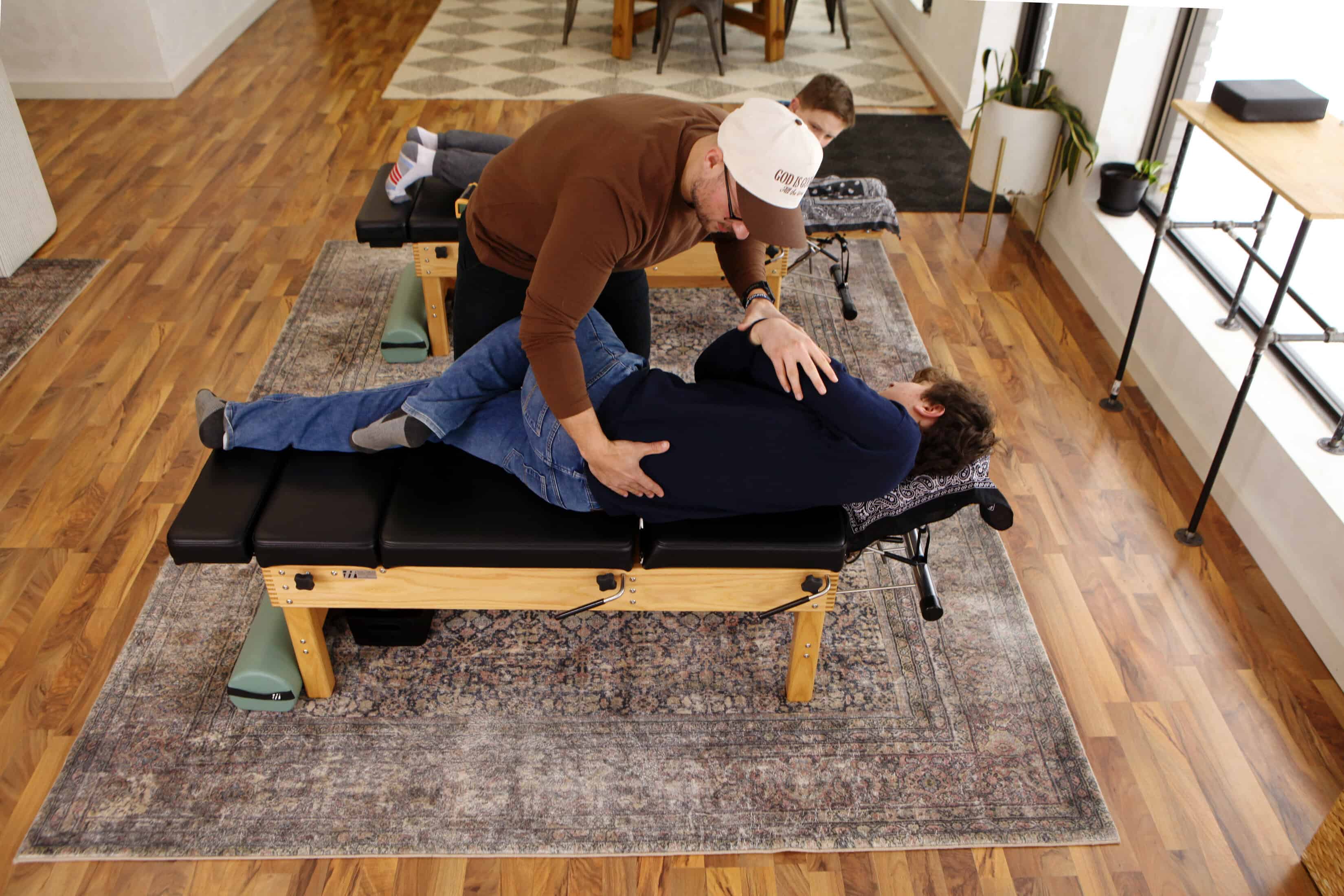
The doctors who understand the deep neurological roots of these chronic childhood conditions are called Neurologically-Focused Pediatric Chiropractors. This is a unique specialty within chiropractic care where providers are specifically trained to identify subluxation, neurological dysfunction, dysautonomia, and Vagus Nerve impairment.
These practitioners use advanced technology called INSiGHT Scans — cutting-edge neurological assessments that can identify exactly where your child’s subluxation and nervous system challenges are. From there, a fully customized care plan can be built around your child’s specific needs.
Each neurologically-focused adjustment is designed to:
- Release the stuck stress from the sympathetic “fight or flight” nervous system
- Activate the Vagus Nerve and the Parasympathetic “rest, digest, and regulate” system
- Restore balance and better communication throughout the brain and body
This isn’t a band-aid. It’s addressing the root.
There Is Hope — And a Path Forward
If you’ve read this and it sounds like your child’s story, please know: you are not out of options.
The fact that diet changes and therapies have helped a little — but not all the way — isn’t a failure. It’s actually a sign that you’re on the right track, just missing a critical piece. When the nervous system is finally able to regulate itself, the other interventions you’ve already tried often start working better, too.
You’ve been fighting hard for your child, and we want to help. Don’t wait to reach out to Rooted Family Chiropractic today to schedule a consultation. We have a framework that explains why they’ve been struggling—and a path that addresses the actual root cause.
If you are not local to us, check out the PX Docs directory to find a PX Doc near you.
The Perfect Storm doesn’t have to define your child’s story. The next chapter can look very different.
